AOD-9604: Understanding This Peptide and Its Potential Role in Modern Research
Wiki Article
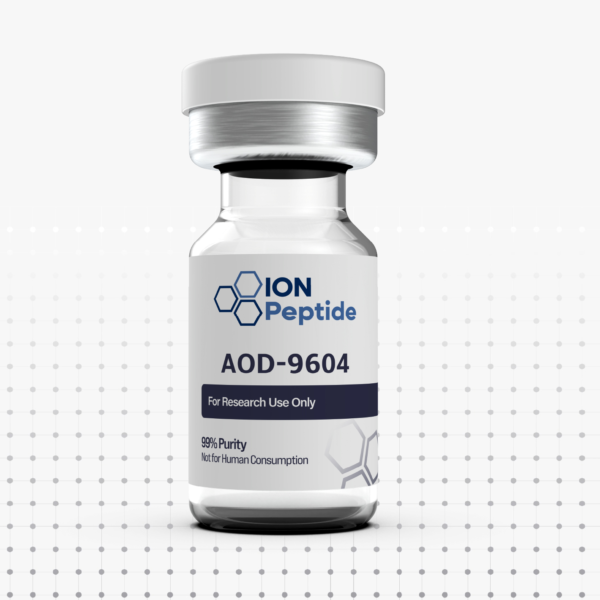
AOD-9604 continues to attract attention in the world of peptide research, particularly among people interested in body composition, metabolism, and innovative approaches to health and wellness research. This peptide represents a modified fragment of human growth hormone and receives interest because researchers examine its relationship with fat metabolism without focusing on the broader effects associated with full growth hormone.
As interest in peptides continues to grow, understanding what AOD-9604 is, how researchers study it, and what considerations surround its use can help readers approach the subject with greater awareness. AOD-9604 remains primarily a research compound, so responsible information and professional guidance are important when considering its potential applications.
What Is AOD-9604?
AOD-9604 is a synthetic peptide derived from a specific portion of human growth hormone. Researchers develop and study it with an emphasis on metabolic processes and fat-related pathways. Unlike complete human growth hormone, AOD-9604 focuses on a smaller segment of the hormone, which makes it an interesting subject for scientific investigation.
The name AOD-9604 refers to a peptide sequence that researchers examine for its possible influence on fat metabolism. Scientific interest centers around how this compound interacts with biological pathways involved in lipid breakdown and energy regulation.
Because AOD-9604 is not the same as human growth hormone, it is important not to treat the two substances as interchangeable. Their structures, properties, and potential biological effects differ, and research continues to clarify the precise mechanisms associated with AOD-9604.
How Does AOD-9604 Work?
Research surrounding AOD-9604 primarily focuses on its potential relationship with fat metabolism. Scientists investigate whether the peptide can influence processes associated with the breakdown of stored fat while avoiding some of the broader biological effects associated with full-length growth hormone.
The peptide receives attention because researchers examine its interaction with pathways involved in lipolysis, which refers to the breakdown of stored fat. Researchers also explore its possible relationship with metabolic regulation and energy balance.
However, the scientific understanding of AOD-9604 remains limited compared with established medicines and therapies. Laboratory findings do not automatically translate into proven benefits for people. Therefore, claims about weight loss, fat reduction, or improved body composition require careful interpretation.
Why Does AOD-9604 Attract Research Interest?
Metabolism and body composition remain important areas of scientific research. Excess body fat is associated with several health concerns, which creates ongoing interest in compounds that may influence metabolic processes.
AOD-9604 attracts attention because its research profile differs from that of traditional growth hormone. Researchers examine whether its specific peptide structure allows it to influence fat-related pathways without producing the complete range of actions associated with growth hormone.
This distinction makes AOD-9604 an interesting compound for laboratory investigation. Researchers continue to evaluate its biological activity, potential mechanisms, safety profile, and possible applications.
AOD-9604 and Body Composition Research
Body composition involves the relationship between fat mass, lean mass, water, and other components of the body. Researchers interested in AOD-9604 often focus on how peptide-based compounds may interact with metabolic pathways connected to fat storage and utilization.
AOD-9604 research commonly centers on fat metabolism rather than serving as a direct substitute for exercise, nutrition, or established medical treatment. A healthy body composition generally involves multiple factors, including dietary habits, physical activity, sleep, genetics, and overall health.
For this reason, AOD-9604 should not be viewed as a standalone solution for managing body weight. Research compounds require careful scientific evaluation before researchers can establish meaningful clinical applications.
Potential Areas of Scientific Investigation
AOD-9604 provides researchers with several potential areas of investigation. These include:
- Fat metabolism: Researchers examine how AOD-9604 interacts with processes involved in fat breakdown.
- Metabolic pathways: Scientific studies explore its relationship with biological mechanisms associated with energy regulation.
- Body composition: Researchers investigate whether metabolic effects have implications for changes in fat-related measures.
- Peptide science: AOD-9604 contributes to broader research into how modified peptide structures interact with biological systems.
- Safety and tolerability: Researchers continue to examine potential risks, biological responses, and appropriate research parameters.
These areas demonstrate why AOD-9604 remains relevant within peptide research. At the same time, ongoing investigation means many questions require additional evidence.
Is AOD-9604 Approved for Weight Loss?
AOD-9604 should not automatically be considered an approved weight-loss medication. Regulatory approval depends on the specific country, product, formulation, and intended use. Research interest does not equal regulatory approval.
People considering AOD-9604 for weight management should therefore avoid assuming that a research compound provides the same safety, quality control, or clinical evidence as an approved medicine.
Anyone considering a peptide for a health-related purpose should discuss the decision with a qualified healthcare professional. Professional guidance can help identify established treatment options and determine whether a particular approach is appropriate.
Important Safety Considerations
Safety remains an essential consideration whenever a research peptide enters the discussion. The quality, purity, formulation, storage conditions, and method of administration can all influence the risks associated with a compound.
AOD-9604 can also raise questions about individual suitability, interactions, allergies, underlying health conditions, and unexpected biological responses. Without appropriate clinical oversight, it can be difficult to determine the correct approach for a specific person.
Research-grade products also do not necessarily meet the same manufacturing and quality standards as approved pharmaceutical products. Consumers should therefore pay close attention to product sourcing and regulatory status rather than relying solely on marketing claims.
The Future of AOD-9604 Research
The future of AOD-9604 research depends on continued scientific investigation. Researchers need reliable evidence from well-designed studies to understand its mechanisms, potential benefits, limitations, and safety considerations.
As peptide science develops, compounds such as AOD-9604 can contribute to broader discussions about metabolic pathways and targeted biological research. However, responsible interpretation remains important because preliminary research does not establish clinical effectiveness.
Final Thoughts on AOD-9604
AOD-9604 remains an intriguing subject within modern peptide research, particularly because scientists investigate its relationship with fat metabolism and metabolic processes. Its structure as a modified fragment of human growth hormone makes it distinct from full growth hormone and provides researchers with a specific area of scientific interest.
At the same time, AOD-9604 should remain within the context of responsible research. It should not be presented as a guaranteed weight-loss solution or a replacement for approved medical treatment. Anyone interested in its potential applications can benefit from reviewing credible scientific information and consulting an appropriately qualified healthcare professional.
As research continues, further evidence can help clarify the role AOD-9604 may have within peptide science and metabolic research.
Report this wiki page